

Telomere Dynamics in Stress and Aging
- Isha Kumari
- Feb 1
- 1 min read
Chronic stress doesn’t just exhaust the mind; it speeds up ageing at the cellular level by shortening our telomeres.
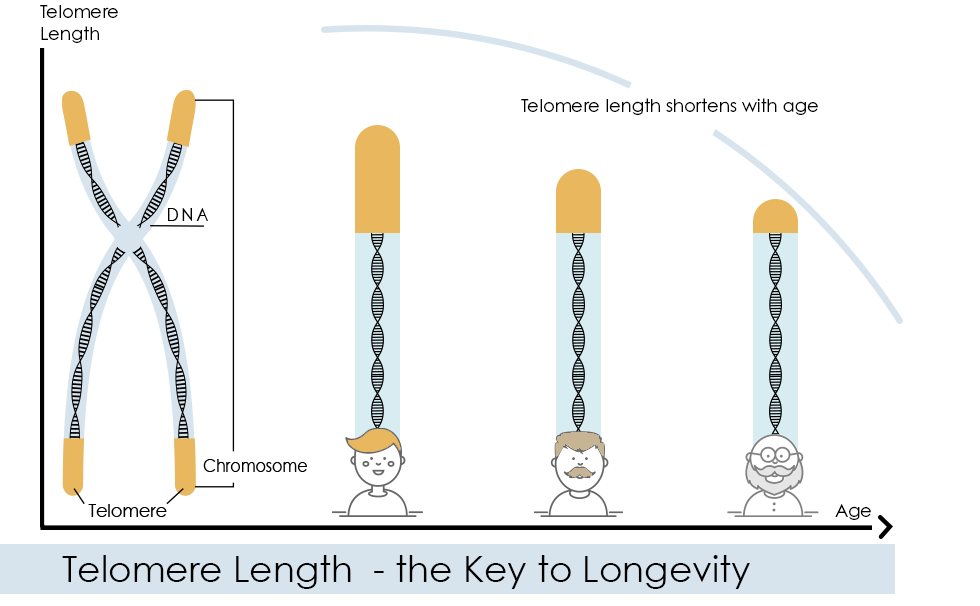
Psychological stress has a significant impact on cellular ageing by hastening the shortening of telomeres, which are the protective caps at the ends of chromosomes that preserve genetic integrity during cell division. Naturally the telomeres shorten with age and repeated cell division; chronic stress also promotes this process, making biological ageing occur faster than expected. However, this damage is not permanent, as the body has other methods to restore the telomere length under certain favourable conditions.
Research by Elizabeth Blackburn, a Nobel laureate and co-discoverer of telomeres and the enzyme telomerase, has demonstrated that prolonged stress dramatically reduces the telomerase activity. The University of California study found that carers of chronically ill children experience prolonged mental pressure and therefore exhibit shortening of telomere lengths. These individuals also showed increased oxidative stress and reduced cellular repair capacity.
Stress contributes to telomere shortening amplified by continued cortisol release and inflammation. That keeps the nervous system in a fight-or-flight state, leading to disturbance of the autonomic balance of the body. This prolonged disturbance interferes with cellular recovery and repair processes. Research indicates that emotional regulation, mindful practices, and meditation can reverse these effects by reducing stress and increasing telomerase activity. Mindfulness practices, even over short periods of time, can promote cellular recovery, highlighting the body’s remarkable capacity for recovery when chronic stress is managed effectively.
References:


Comments